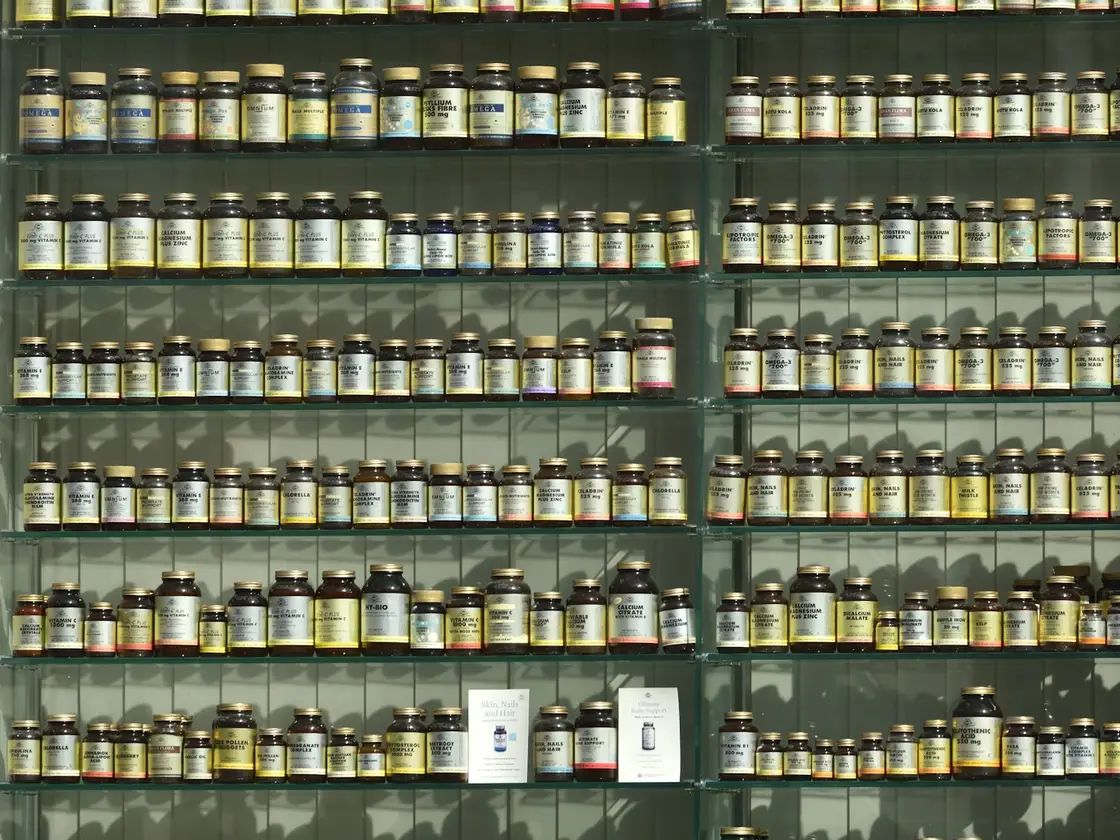
Cosmetics and wellness products are among the most demanding categories to fulfil at scale. The primary failure vector is not damage or speed - it is precision. Selecting the wrong variant in this context can have consequences that no refund resolves.
Key points
- High-similarity SKU environments (same product in multiple sizes, concentrations, shades) make mispick risk structural, not human error
- TGA-adjacent products carry regulatory exposure beyond the customer complaint - incorrect dispatch can be a compliance incident
- Four distinct packaging failure modes: transit damage, label degradation, seal failure, and contamination during receiving
- A five-component containment framework covers pick confirmation, packing specification, storage conditions, expiry management, and receiving inspection
The category risk profile
A typical cosmetics or wellness brand at 50 to 100 orders per day might carry 15 to 40 active SKUs, with a significant proportion sharing the same base product in different concentrations, formats, or sizes. This creates what warehouse operations describe as a high-similarity SKU environment.
The mispick risk in a high-similarity environment is not primarily caused by poor attention or inexperience. It is caused by the visual and physical proximity of products that should not be adjacent. The operational response is not to train harder. It is to redesign the pick process to make the wrong choice structurally harder than the right choice.
For temperature-sensitive formulations - vitamin C derivatives, retinol-based products, probiotics - the risk profile extends beyond pick accuracy into storage and dispatch conditions. A product stored in an unventilated warehouse during a Sydney summer is not the same product the brand formulated.
Pick variants in a product with 4 sizes × 3 coloursEach needs independent barcode verification. Visual identification is not a system
Regulatory and packaging exposure
Products regulated under the Therapeutic Goods Administration - including complementary medicines, listed sunscreens, and certain skincare products with therapeutic claims - have labelling and dispatch requirements that sit outside the standard fulfilment checklist. Sending an unlabelled batch or a product past its use-by date is not a service failure. It is a compliance incident.
Cosmetics and wellness packaging fails in fulfilment environments in four specific ways: transit damage from incorrect void fill ratios, label degradation under incorrect storage conditions, seal failure from pressure changes or improper handling, and contamination risk when compromised stock is received without a quarantine protocol.
The containment framework
The minimum containment framework for a brand in this category has five components: barcode scan confirmation at pick for every SKU; written packing specifications per product family posted at the packing station; storage condition documentation for formulation-sensitive products; FEFO rotation enforced by system rather than manual process; and a receiving inspection checklist with a quarantine protocol for compromised stock.
Containment frameworks only work if they are embedded in the operating agreement. The service agreement should specify accuracy SLAs, damage rate thresholds, reporting cadence for receiving discrepancies, and the resolution protocol for compliance incidents. A 3PL that declines to accept contractual accountability for these metrics in writing does not have confidence in its own performance data.
Warning signs
- Barcode scan confirmation at pick (not visual identification)
- Written packing specification per product family at the station
- FEFO rotation enforced by system, not manual process
- Receiving inspection checklist with quarantine protocol
- Storage condition documentation for formulation-sensitive products
Want to see how this would run for your brand?
Walk through the warehouse, the dashboard and your order profile with the team that runs it.